Things to Do in Finisterre Spain - The End of the World
For many pilgrims, reaching Santiago de Compostela is the finish line of the Camino de Santiago pilgrimage. But for others, the journey continues westward toward the Atlantic Ocean, ending at the legendary coastal town of Finisterre — or Fisterra in Galician. Walking from Santiago de Compostela to Finisterre and Muxia is a very popular extension of the Camino de Santiago. Dramatic cliffs, fresh seafood, wild ocean views, and a slower pace make it the perfect place to reflect after weeks of walking.
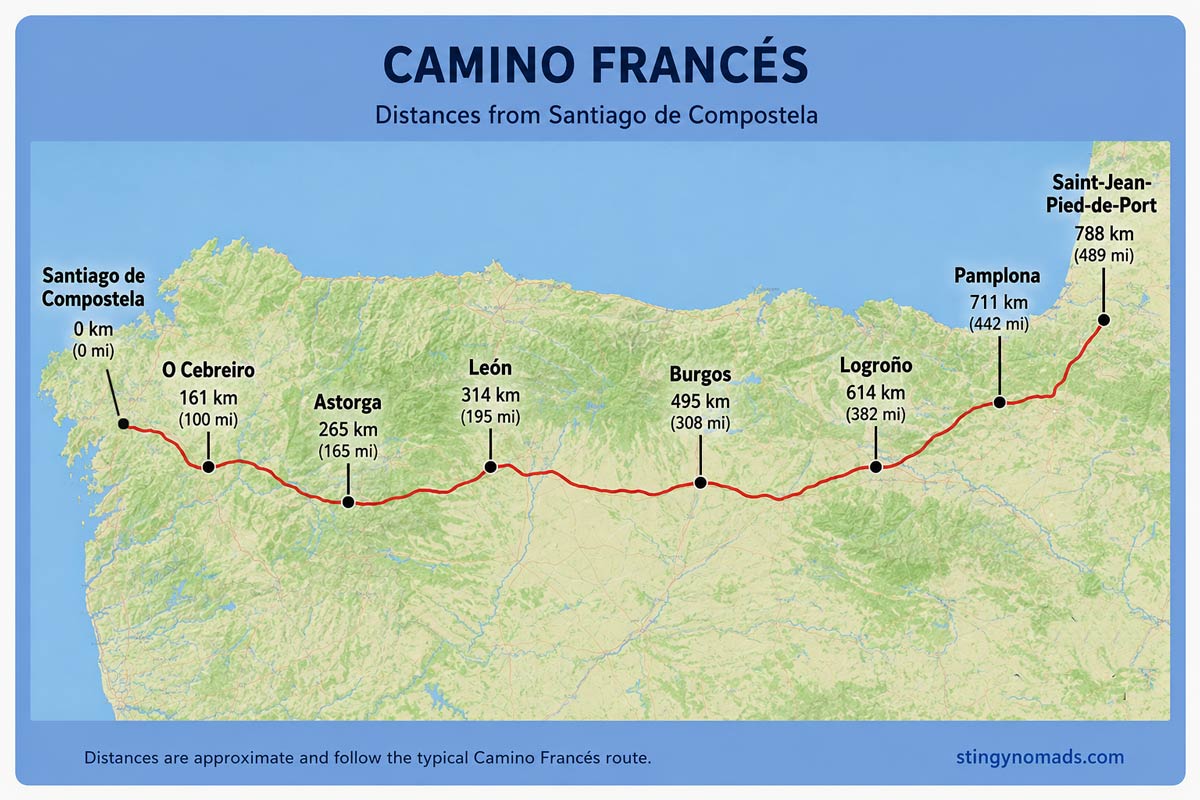
The route from Santiago de Compostela to Cape Finisterre is 90 km/56 mi. From Santiago to Cape Muxia is 87 km/54 mi. If you walk to both capes the total distance is 117 km/71 mi (through Finisterre) and 114 km/70.8 mi (through Muxia). You’ll need 4-6 days on average to complete the Camino.
See our detailed Camino Finisterre-Muxia Guide.
Whether you arrive on foot after the Camino Finisterre route or visit as a traveler exploring Galicia, here are the best things to do in Finisterre.
Stingy Nomads participates in the Amazon Services LLC Associates Program and other affiliate programs. If you click on the link and purchase the item or make a booking, we will receive an affiliate commission at no extra cost. Thank You for supporting us and assisting us to produce quality, free content.
Places to stay in Finisterre
You can stay at the very cape Finisterre, next to the Lighthouse at Hotel O Semaforo. It’s quite pricey but the location and the scenery around are truly spectacular. It’s a small and cozy hotel with beautifully designed rooms, breathtaking views, and a nice restaurant.
- Budget | Municipal Albergue | Albergue Mar del Plata | Albergue Oceanus Finisterre |
- Middle price | Pensión Mirador Fin da Terra | Hotel Ancora |
- High-end | Hospedium H Cabo Sport |
Watch the Sunset at Cape Finisterre
The most iconic experience in Finisterre is visiting the Cape Finisterre Lighthouse (Faro de Fisterra). Located on a rugged peninsula overlooking the Atlantic Ocean, this spot has symbolized the end of the known world since Roman times. The famous Pilgrim's Boot statue and Kilometer 0 marker are two of the most popular photo spots near the lighthouse.
Pilgrims traditionally walk the final 3 kilometers uphill to the lighthouse from town of Finisterre. This is an amazing place to watch the sunset directly over the Atlantic.
The atmosphere at sunset is unforgettable. Pilgrims celebrate, cry, reflect, and often share stories from the Camino.
The Pilgrim Boot Statue (Bota del Peregrino)
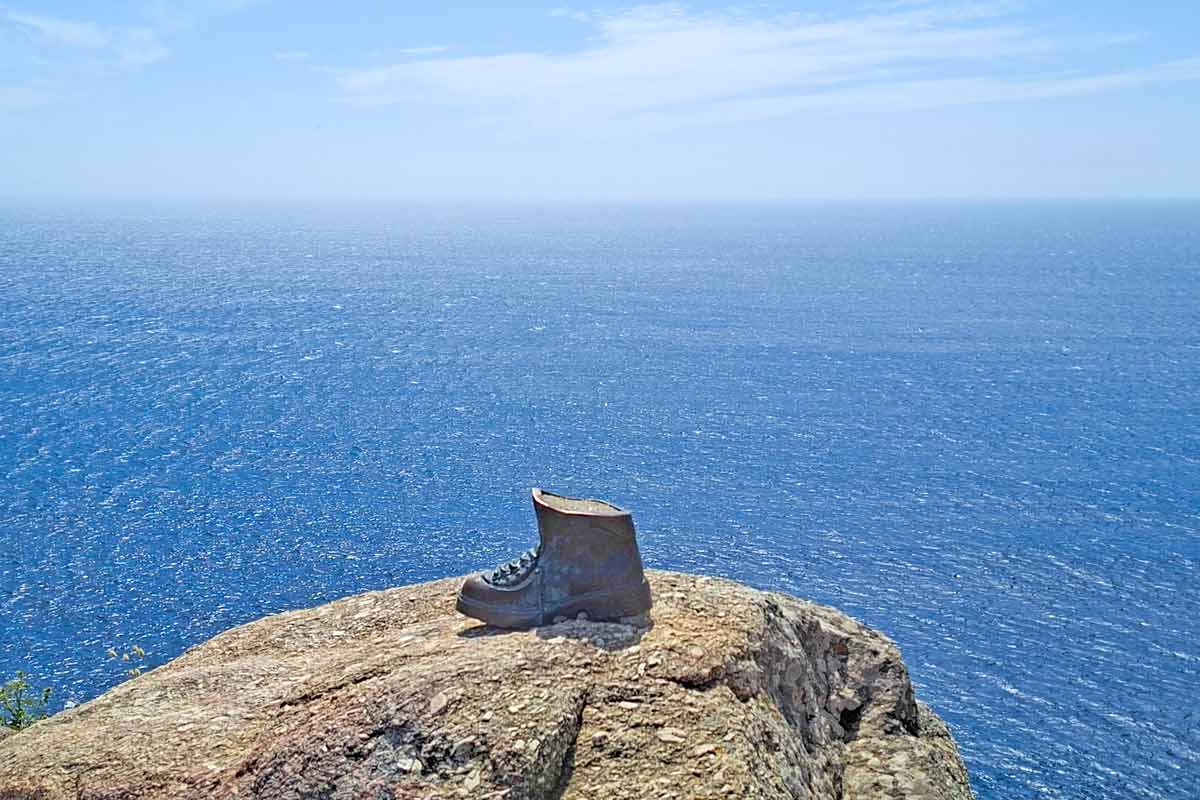
The bronze "Pilgrim's Boot" (Bota del Peregrino) is located on the rocky cliffs just past the Cape Finisterre Lighthouse, overlooking the Atlantic Ocean. This is a popular place to take photos. The bronze boot honors the ancient ritual where pilgrims would burn their worn-out boots and clothes on the rocks to symbolize spiritual purification and a new beginning.
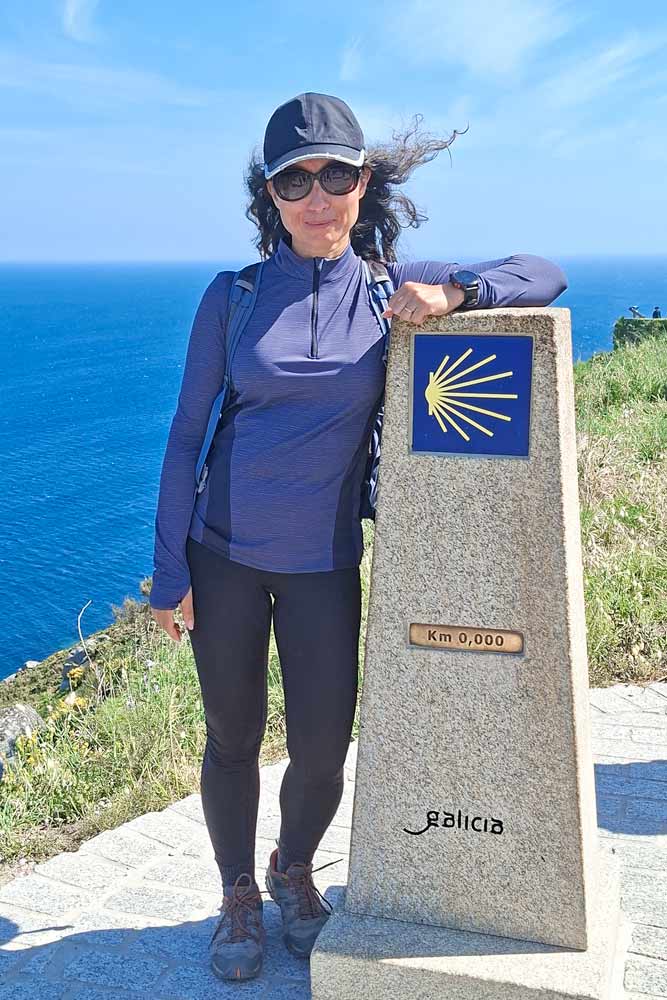
Visit the Kilometer Zero Marker - Camino de Santiago Km 0
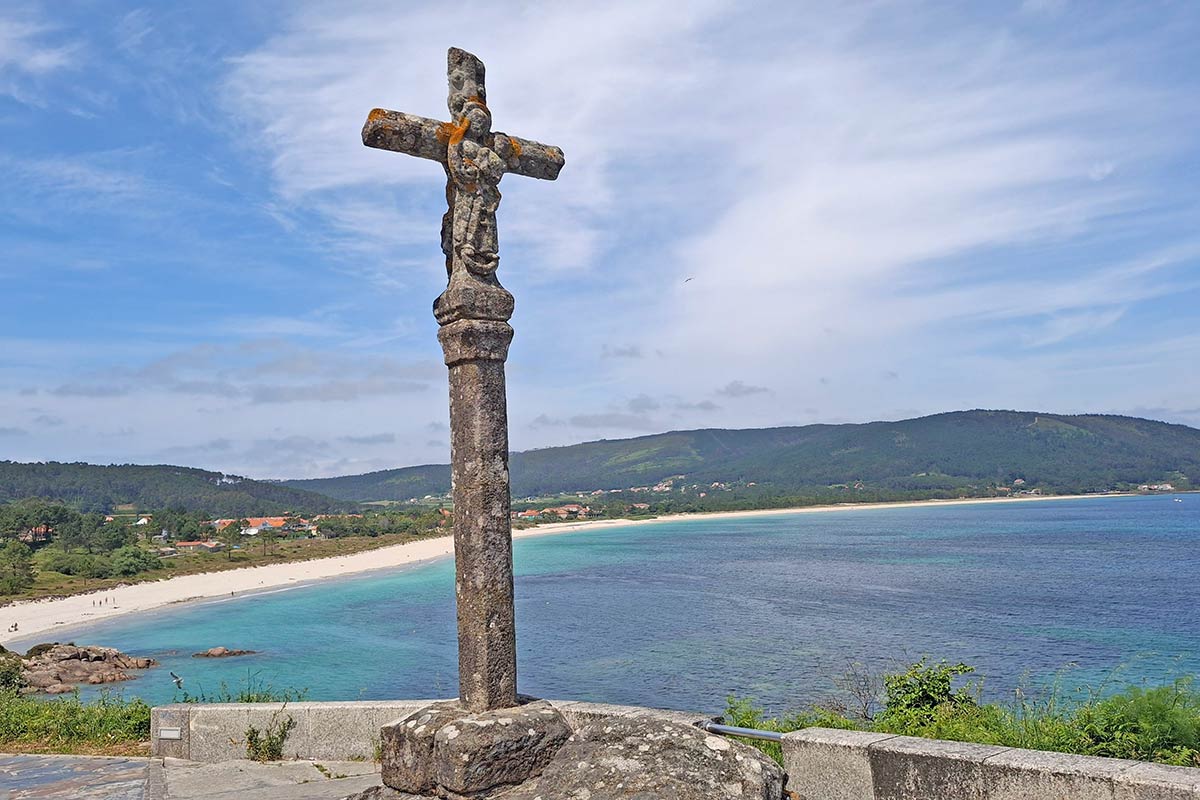
Near the lighthouse, you will find the famous Kilometer 0 marker. This stone monument marks the symbolic end of the Camino de Santiago for pilgrims continuing beyond Santiago.
It has become one of the most photographed spots in Finisterre. Many pilgrims take off their backpacks here for a final photo after completing hundreds or even thousands of kilometers on foot.
The marker is also a reminder that the Camino is not only about reaching a destination. For many people, the journey changes them long before they arrive.
The Beaches of Finisterre
After weeks of walking, Finisterre’s beaches feel like paradise. Many pilgrims head straight here after arriving in town. Some take their first swim in weeks, while others simply rest on the sand and enjoy not having to walk anymore.
Praia da Langosteira
Praia da Langosteira is the main beach near town and stretches for almost two kilometers. The sand is soft, the water is clear, and the beach is large enough to always find a peaceful spot. We went for long beach walks, swam in the ocean many times and stayed in the beautiful Apartamentos Playa Langosteira near the beach. Balcony with great beach views and a heated pool.
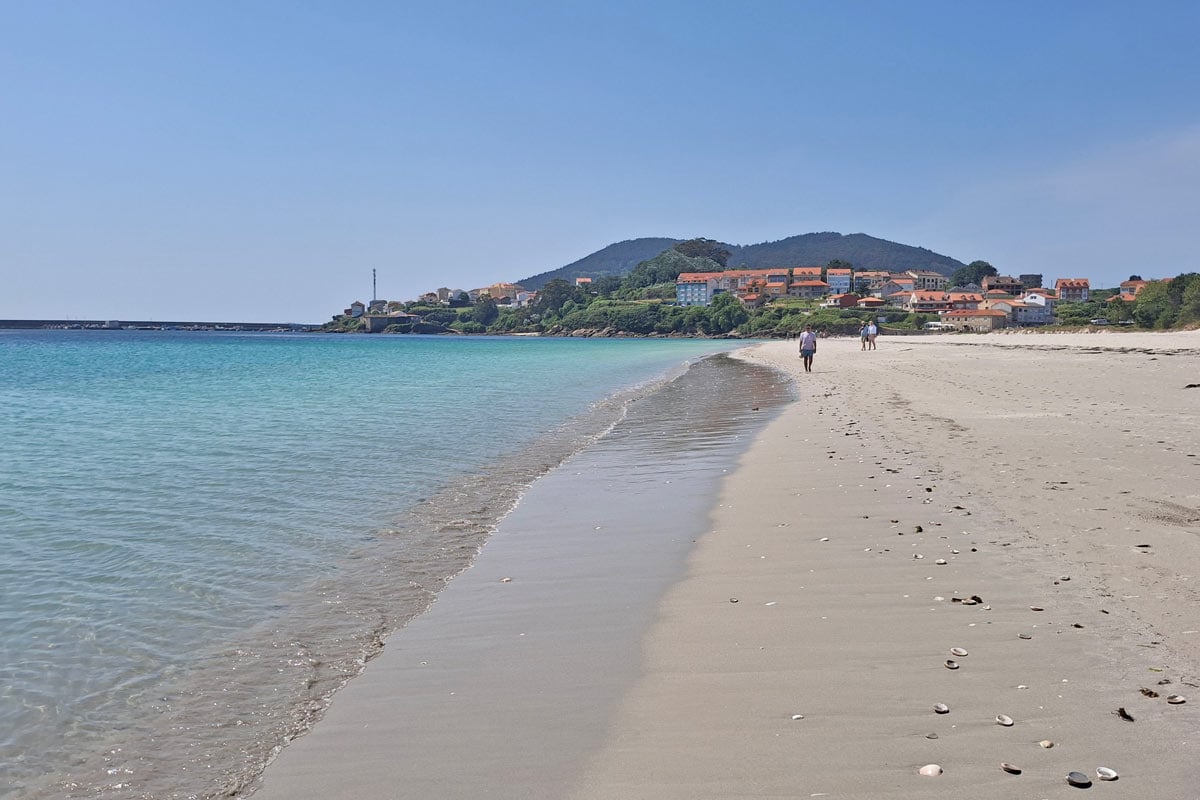
Even outside summer, the beach is nice for long walks at sunset or early morning reflection. The ocean air and peaceful atmosphere make it the perfect place to recover after the Camino.
Discover Praia do Corveiro
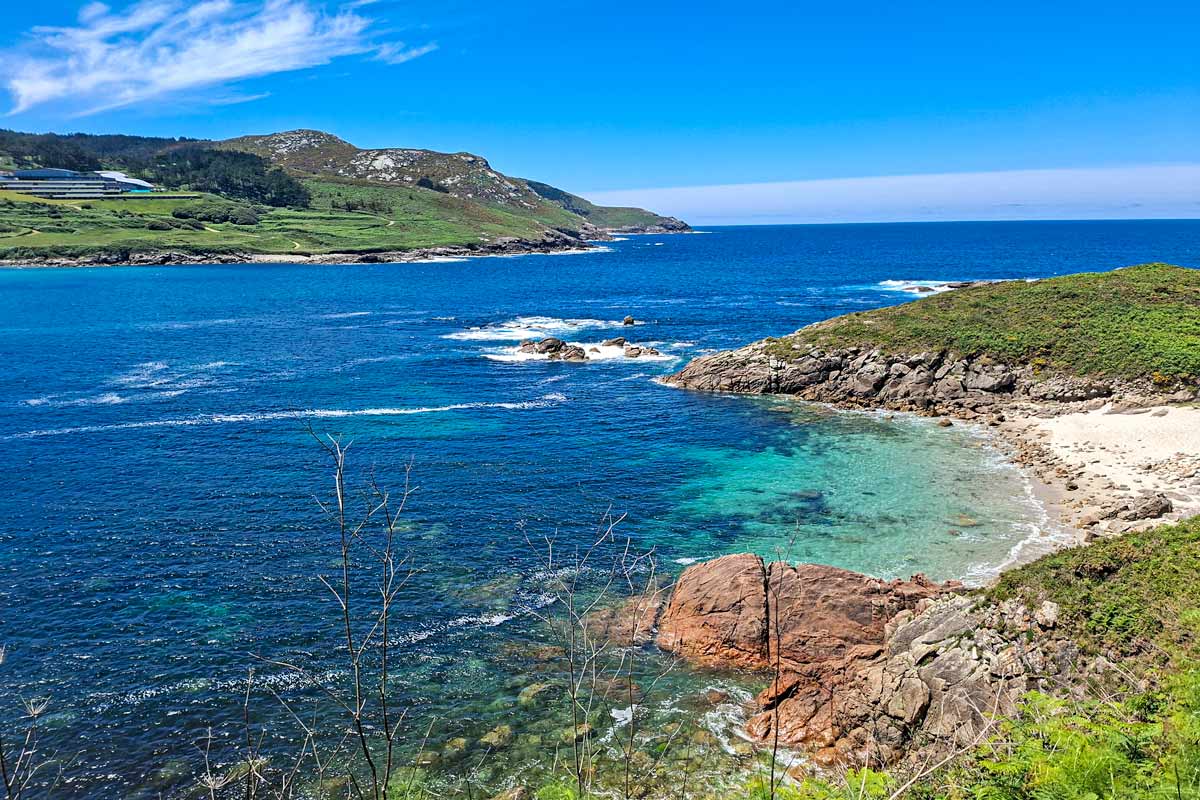
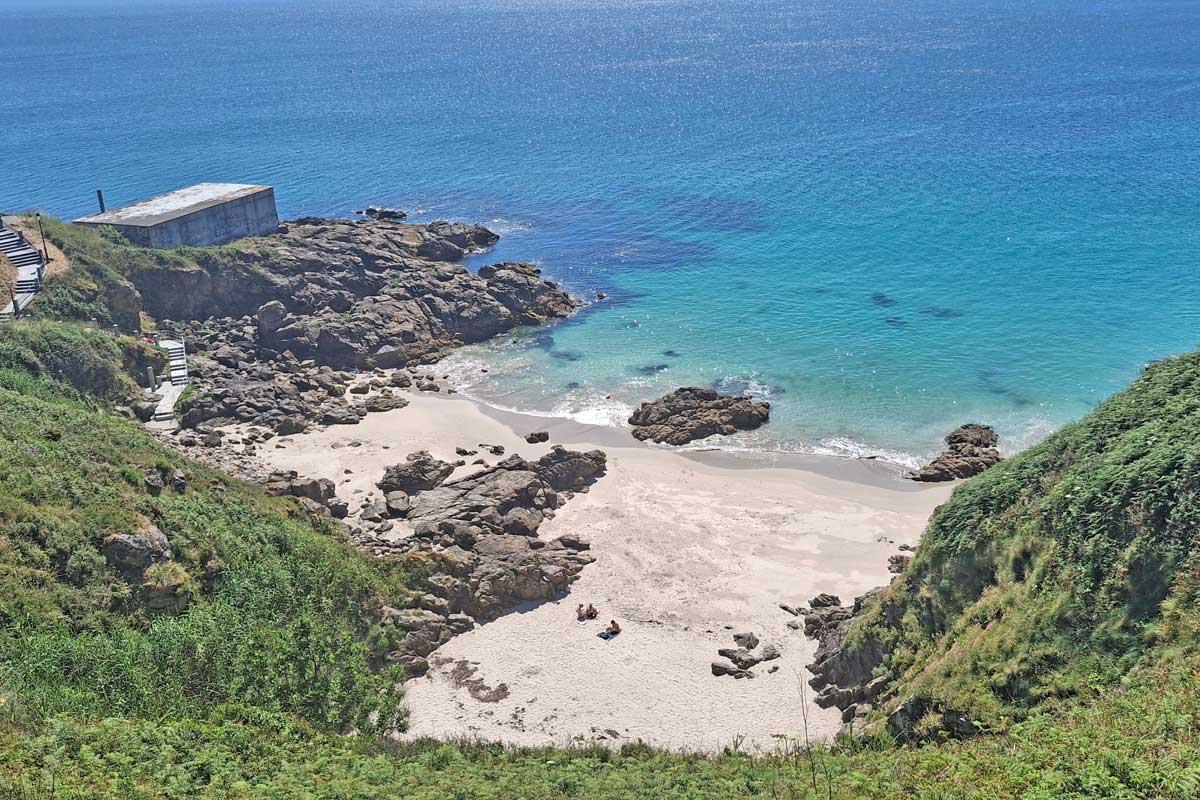
Praia do Corveiro is a spectacular little ´hidden´ beach in Finisterre. Surrounded by rocky outcrops and crystal-clear water, this hidden cove offers a quieter alternative to the town's larger beaches. Its sheltered location and natural beauty make it a favorite spot for visitors looking to escape the crowds and enjoy a peaceful swim or picnic by the sea. The beach is located below The Church of Santa María das Areas. A short path and staircase descend from the clifftop to the beach. Due to its small size, Praia do Corveiro is best visited at low tide when more sand is exposed.
Praia do Corveiro GPS Pin
Go to Pilgrims Mass in Finisterre - Iglesia de Santa María das Areas
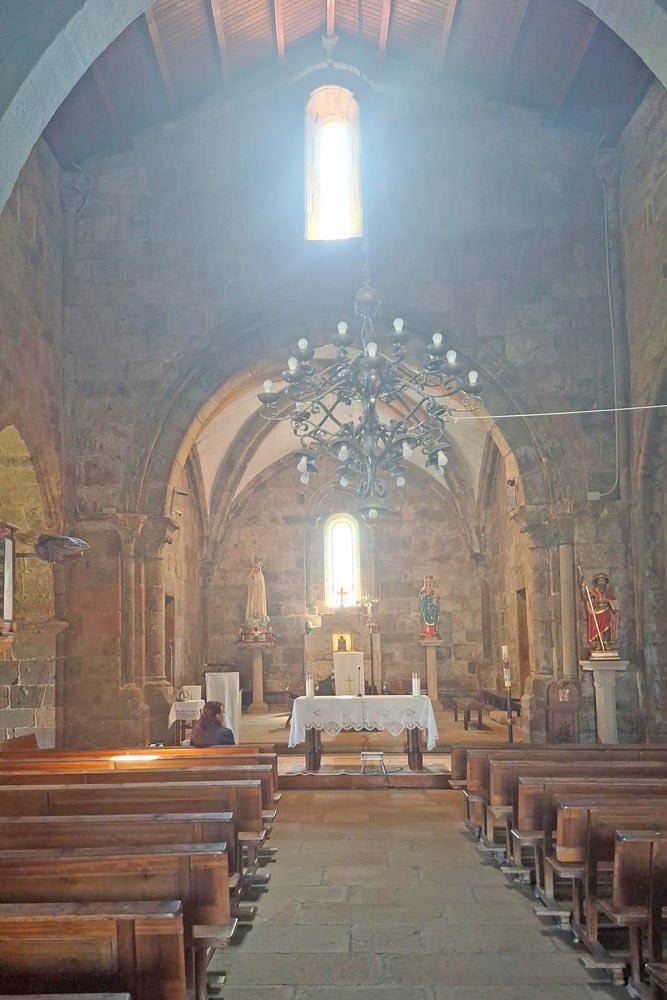
The Church of Santa Maria das Areas with it´s beautiful architecture and spectacular views is a very nice church for pilgrims to attend the pilgrim´s mass. Dating back to the 12th century Iglesia de Santa María das Areas is a Romanesque church located in the outskirts of Fisterra, in the direction of the lighthouse when walking from town.
The church is located about a 15 minute walk from the center of Finisterre.
Mass & Church Details
At the time of writing the pilgrim´s mass is held daily at 6pm. Primarily in Spanish, but priests are known for accommodating other languages (including English).
Eat Fresh Seafood
Galicia is famous for seafood, and Finisterre is a fantastic place to eat seafood with an excellent local market and great eateries.
Local restaurants serve fresh fish and shellfish brought directly from the Atlantic. Popular dishes include grilled sardines, octopus (pulpo a la gallega), razor clams, mussels, hake, and percebes — the famous Galician goose barnacles harvested from dangerous coastal rocks.
Many restaurants offer seafood platters perfect for sharing. After weeks of pilgrim meals and simple menus, enjoying a fresh seafood dinner overlooking the harbor feels like a well-earned reward.
If you want an authentic experience, look for smaller family-run restaurants away from the busiest tourist streets.
Restaurante Tira do Cordel has a fantastic location on Praia da Langosteira, walking out on to the sand. This seafood restaurant has been mentioned in more than one Michelin guide.
San Carlo´s Castle - The Museo da Pesca
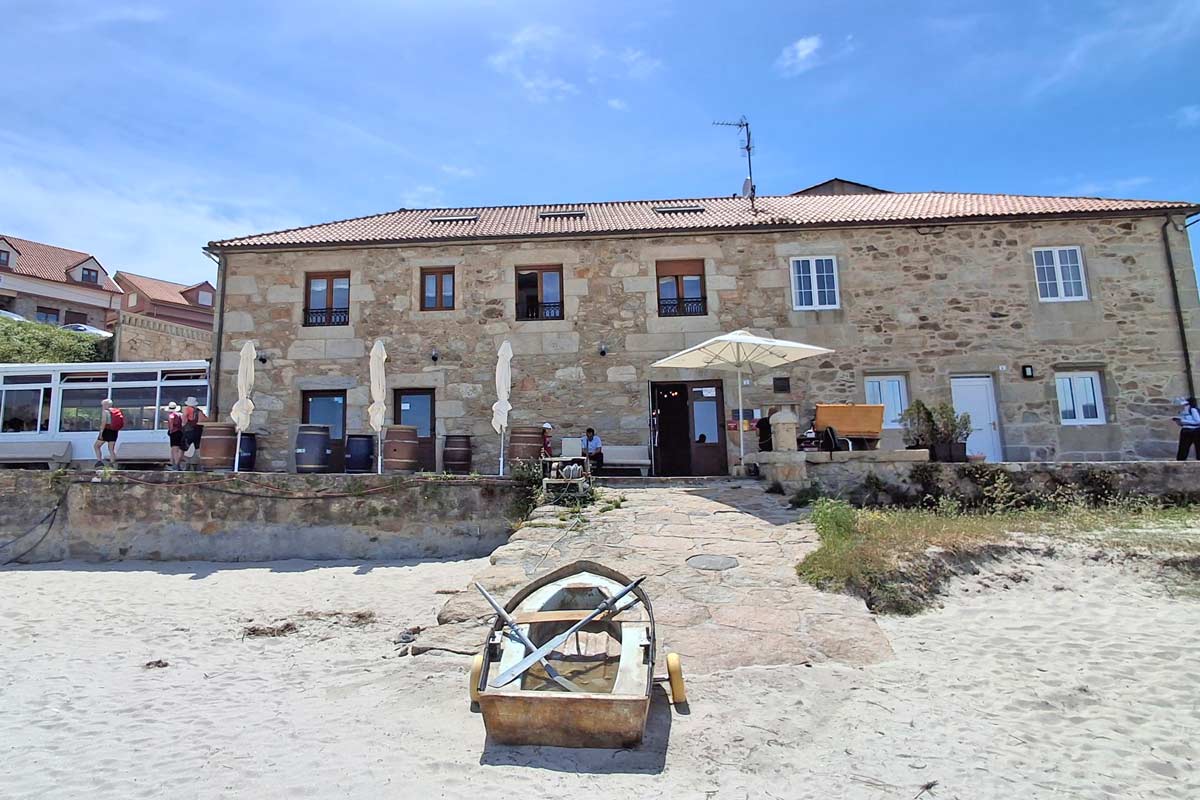
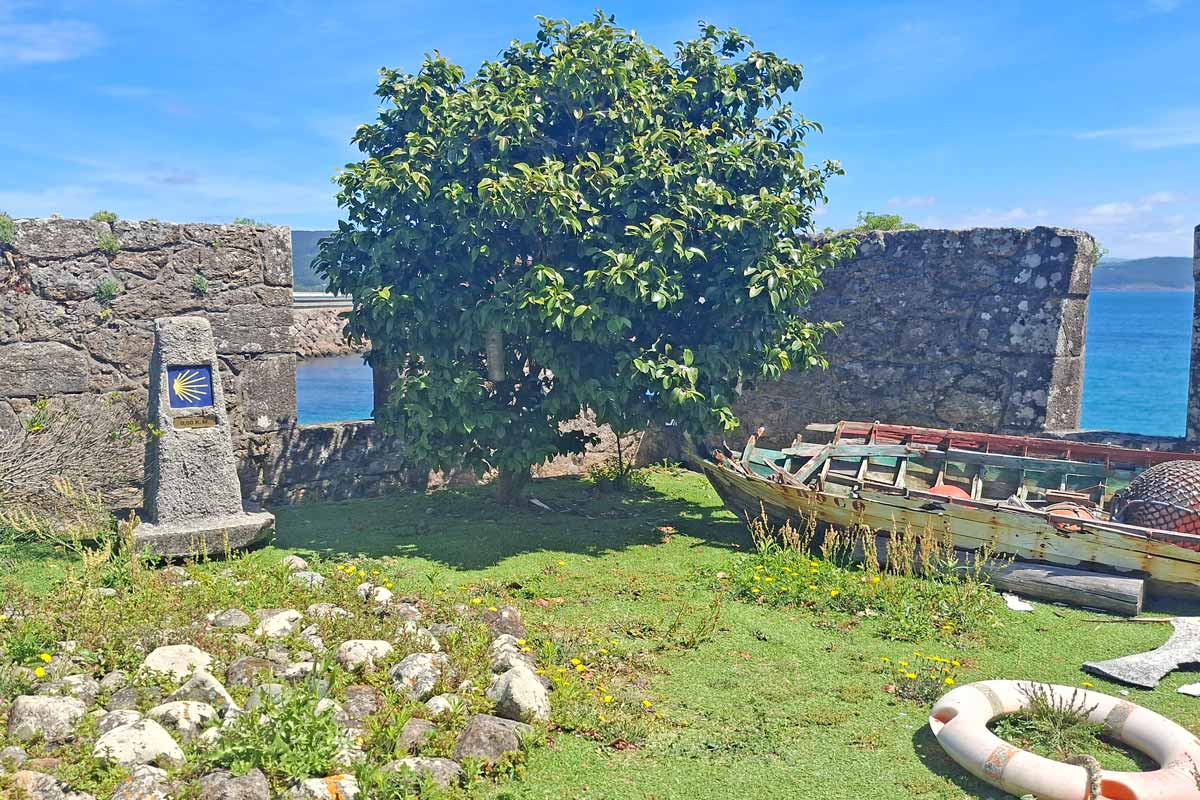
The Museo da Pesca is a small fishing museum inside San Carlo´s Castle. This was one of the defensive bastions in the Coast of Death area built in the 18th century. The museum is basically one room with a garden overlooking the ocean. It is a nice, interesting display. I enjoyed visiting the museum with my daughter. The garden is a beautiful photo spot with a Camino 0 marker inside overlooking the ocean. There was a small entrance fee.
Explore the Fishing Harbor
Finisterre is still an active fishing town, not just a tourist destination.
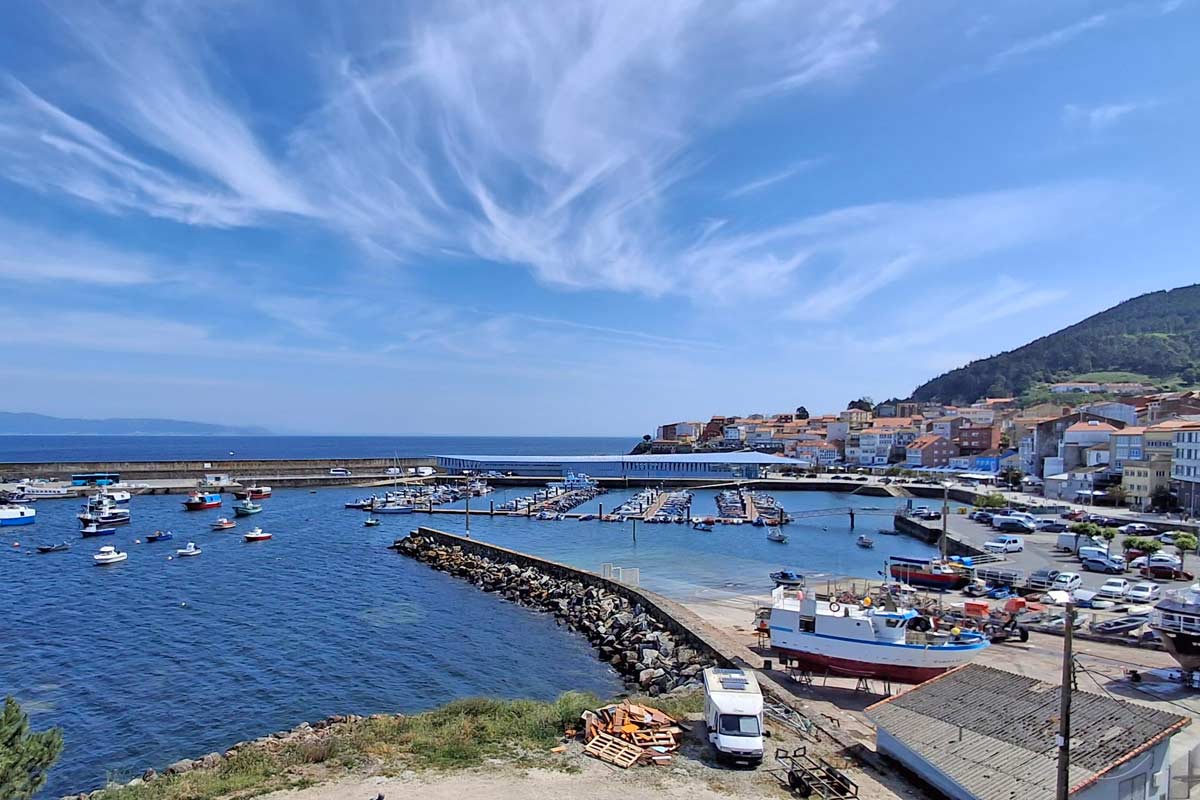
Walking around the harbor is one of the best ways to experience local life. Fishing boats come and go throughout the day, fishermen repair nets along the docks, and seafood is unloaded fresh from the ocean.
The harbor area also has several cafes and bars where you can sit with a coffee or glass of wine while watching daily life unfold.
Early mornings are especially peaceful, while evenings become lively as pilgrims and locals gather for dinner and drinks.
Not far from the fishing harbor walking in the interesting streets of Finisterre town we had amazing ice cream at Bajo 14, helados artesanos, really worth finding!
Visit Muxia
Muxia is another famous landmark where walkers end their pilgrimage from Santiago de Compostela. The Camino Finisterre-Muxia has two routes; one from Santiago to Finisterre and the other one is from Santiago to Muxia.
The two capes are connected and you can walk from Finisterre to Muxia or the other way around. The connecting route is 27 km/16.7 mi.
Walking Details
- Time – 7-8 hours
- Accumulated ascent – 701 m
- Accumulated descent – 686 m
- Walking surface – 13.2 km/8.2 mi – asphalt; 14.3 km/8.8 mi – footpath/gravel.
- Walking route – Finisterra – Lires – Muxia town – Muxia cape
- The Camino Finisterre – walking stages
Muxía can also be reached from Finisterre by car, bus, or taxi. There is a daily bus from Finisterre to Muxia at 11.45 am and from Muxia to Finisterre at 5 pm. The journey takes 30 minutes. The price – 2.64€.
While Finisterre is known for its lighthouse, beaches, and "end of the world" atmosphere, Muxía is famous for its dramatic rocky coastline and the beautiful Santuario da Virxe da Barca, a sanctuary perched beside the Atlantic Ocean. Muxía tends to feel quieter and more spiritual, with powerful sea views and legendary stone formations linked to local religious traditions. Many pilgrims visit both towns, as each offers a unique perspective on the Camino's final destination and Galicia's rugged Atlantic coast.

Stay for a Few Days
After the physical and emotional intensity of the Camino, Finisterre is the ideal place to slow down. Spending two or three days here allows you to fully absorb the experience instead of rushing immediately back to airports, buses, and normal life.
The town has a relaxed atmosphere that encourages rest. Mornings are slow, afternoons are spent at the beach or cafes, and evenings revolve around sunsets and seafood dinners.
For many pilgrims, Finisterre becomes one of their favorite memories of the entire Camino.
Questions or Comments?
Got any questions or comments? We would love to help! All questions and comments will be answered by us personally in Buy Me a Coffee. Click below and ask away.
Feel free to support our site by buying us a coffee!
The strong half of Stingy Nomads, a nomadic aquaman that would be happy to spend all his life in the water diving, surfing and spearfishing but often has to compromise with Alya and go hiking instead. Campbell is responsible for all our marine adventures and following them with write-ups. He loves traveling, braai (BBQ in South Africa), red wine and spending the day in a wetsuit.